Threads of Silk — Making Community Heritage Visible
UI/UX Design • 2024
The Brief
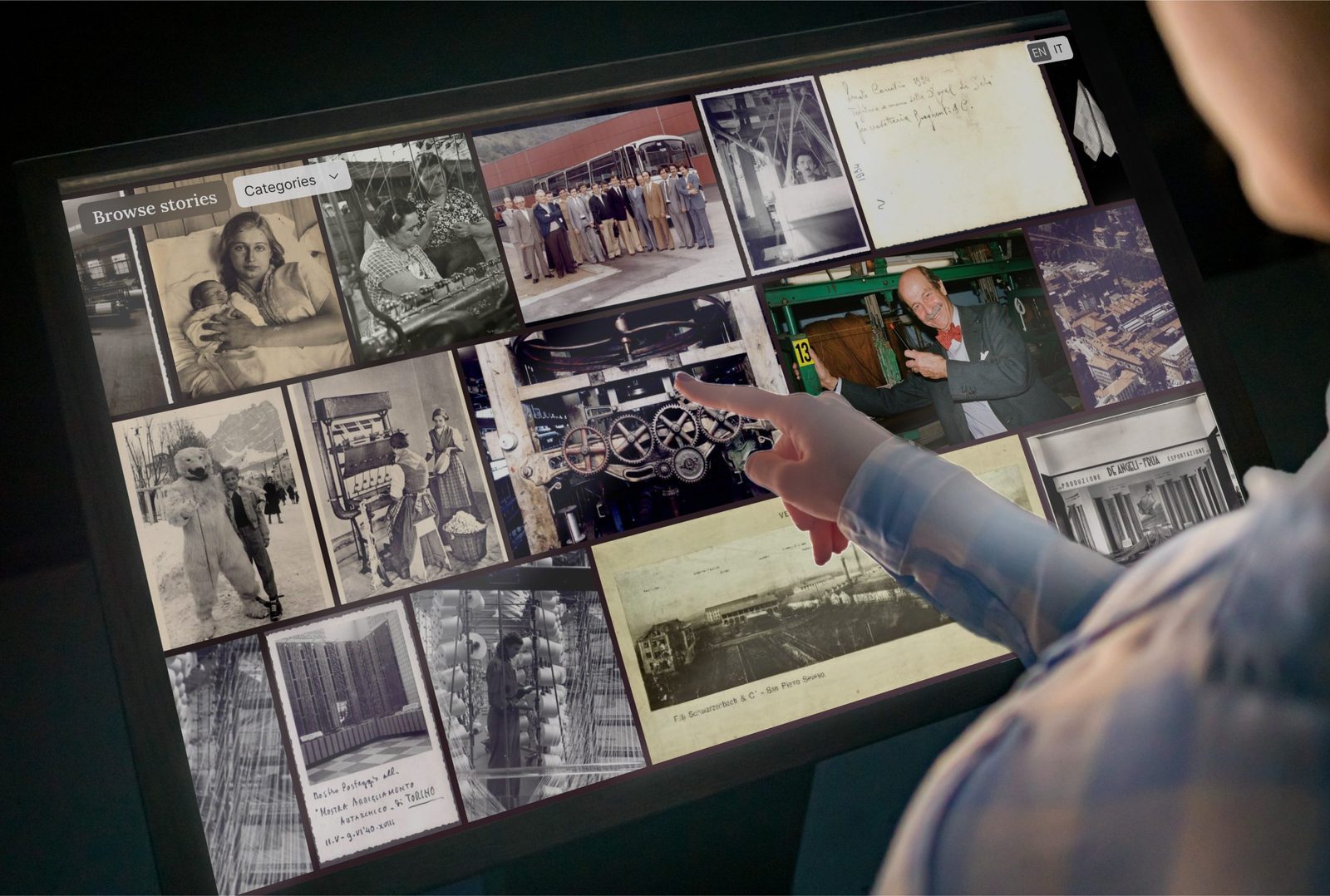
Designing a multitouch experience to increase the engagement of the Como Silk Museum.
The Solution
Threads of Silk, a multitouch point system designed for the Como Silk Museum to collect, preserve and share the heritage of the Como silk community.
Heritage Map
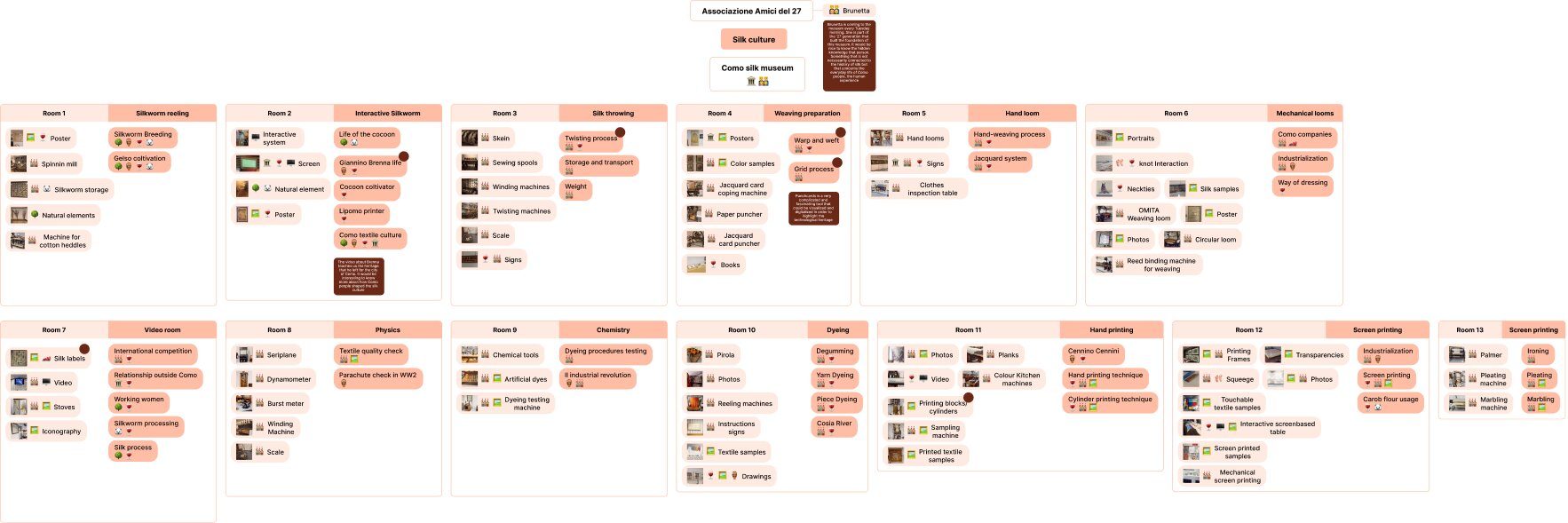
After our visit to the museum, we documented the objects inside the museum and identified different heritage types to create a heritage map. This map allowed us to identify key elements and potential directions for our history.
Competitor Analysis
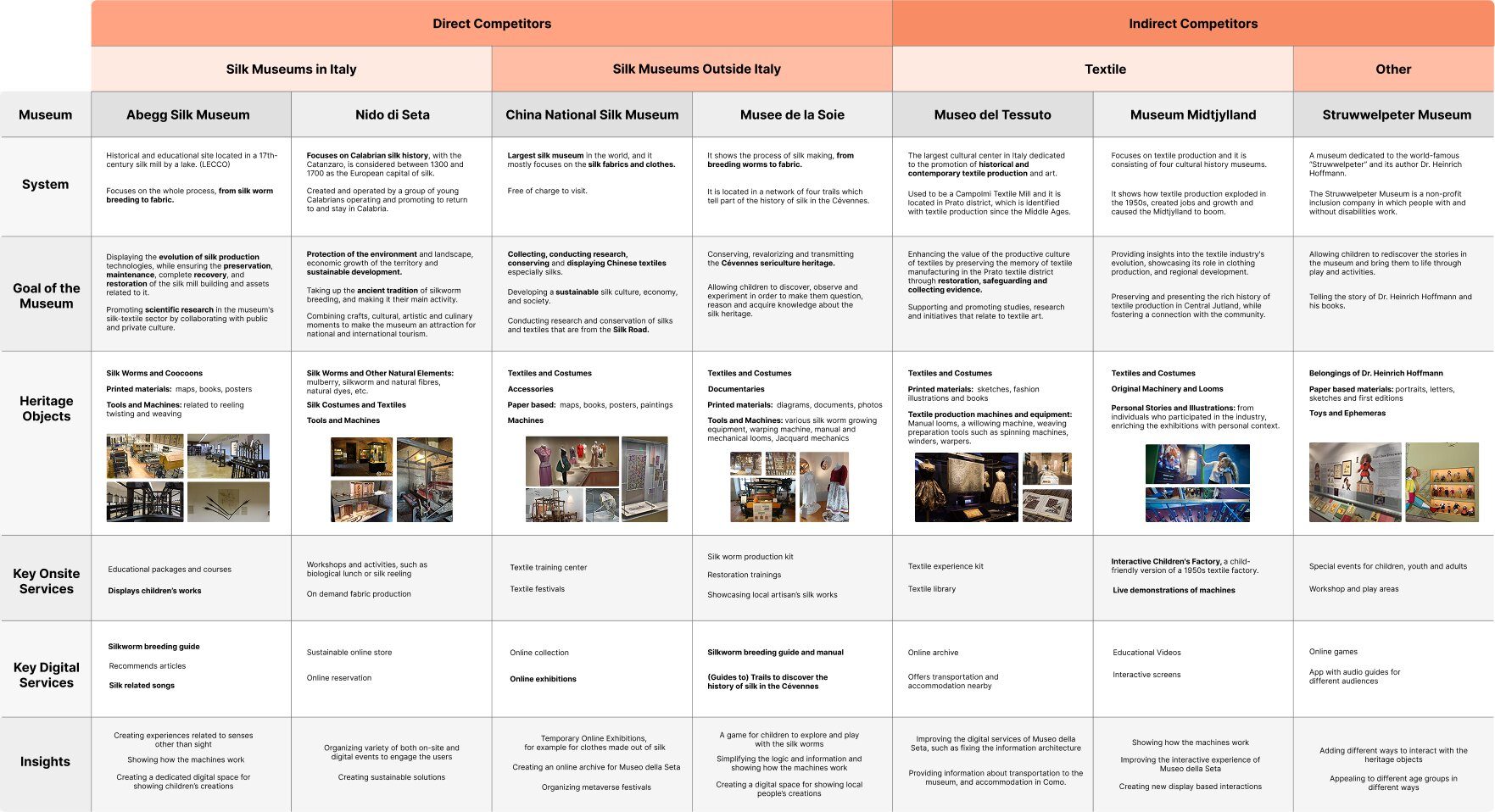
We looked at the direct and indirect competitors of Como Silk Museum to identify their strengths and the services they provide.
Interviews
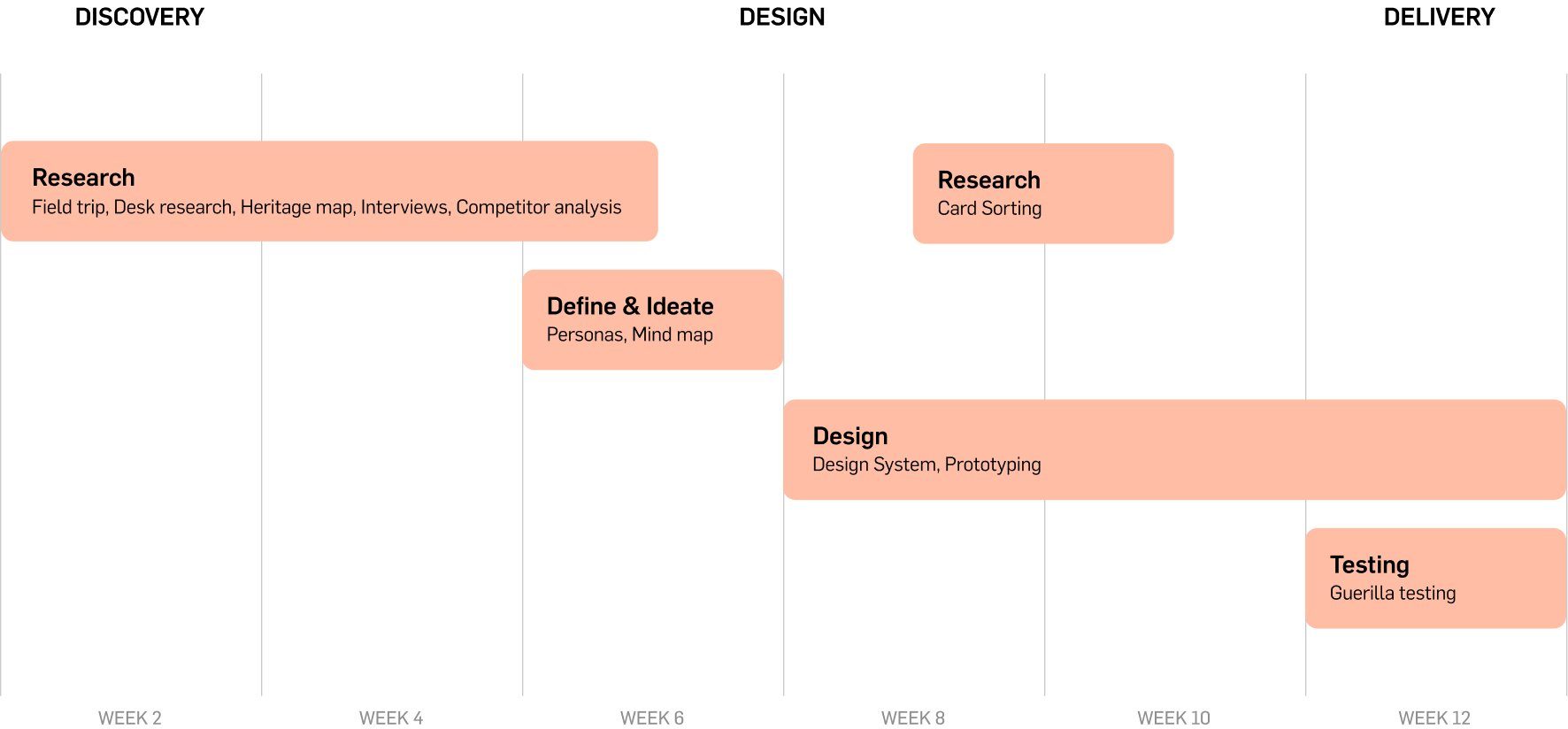
Based on the directions we previously identified, we conducted semi-structured interviews with the curator and founder of the museum. We found that people and their connections to silk history and culture were the key elements for the museum.
"What is interesting is that more than 90% of the items inside this museum are donated by people of this community."
"People often visit because they have worked in the silk trade or are connected to the silk, due to their family's past."
"Sometimes, visitors share personal stories with us. They try to reconstruct their family history throughout the museum."
Ideation
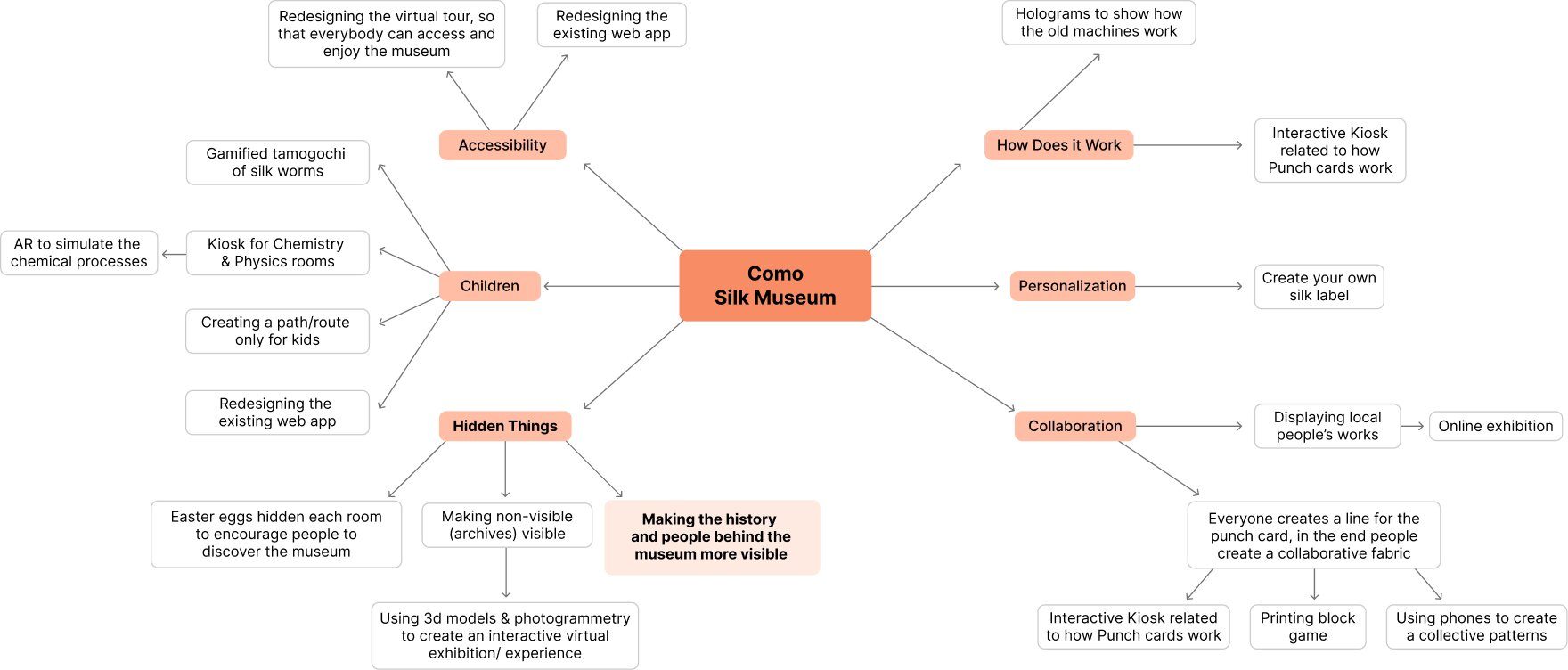
We created a mind map to ideate, and then we decided to focus on "making the history and people behind the museum more visible" as our topic of focus.
Card Sorting
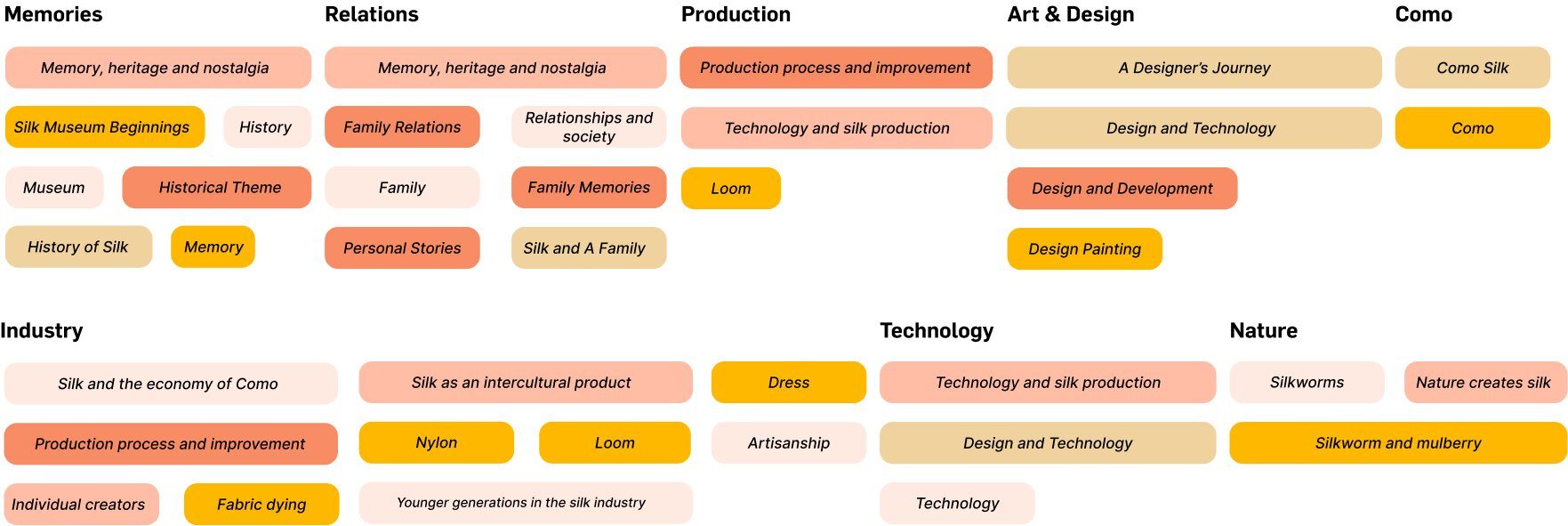
To identify the categories of the stories in our system, we conducted card sorting with 5 participants. The participants were asked to sort the 24 stories we have collected. Then, we created an affinity map, where we grouped each name of the clusters and then created the categories in Threads of Silk.
Design
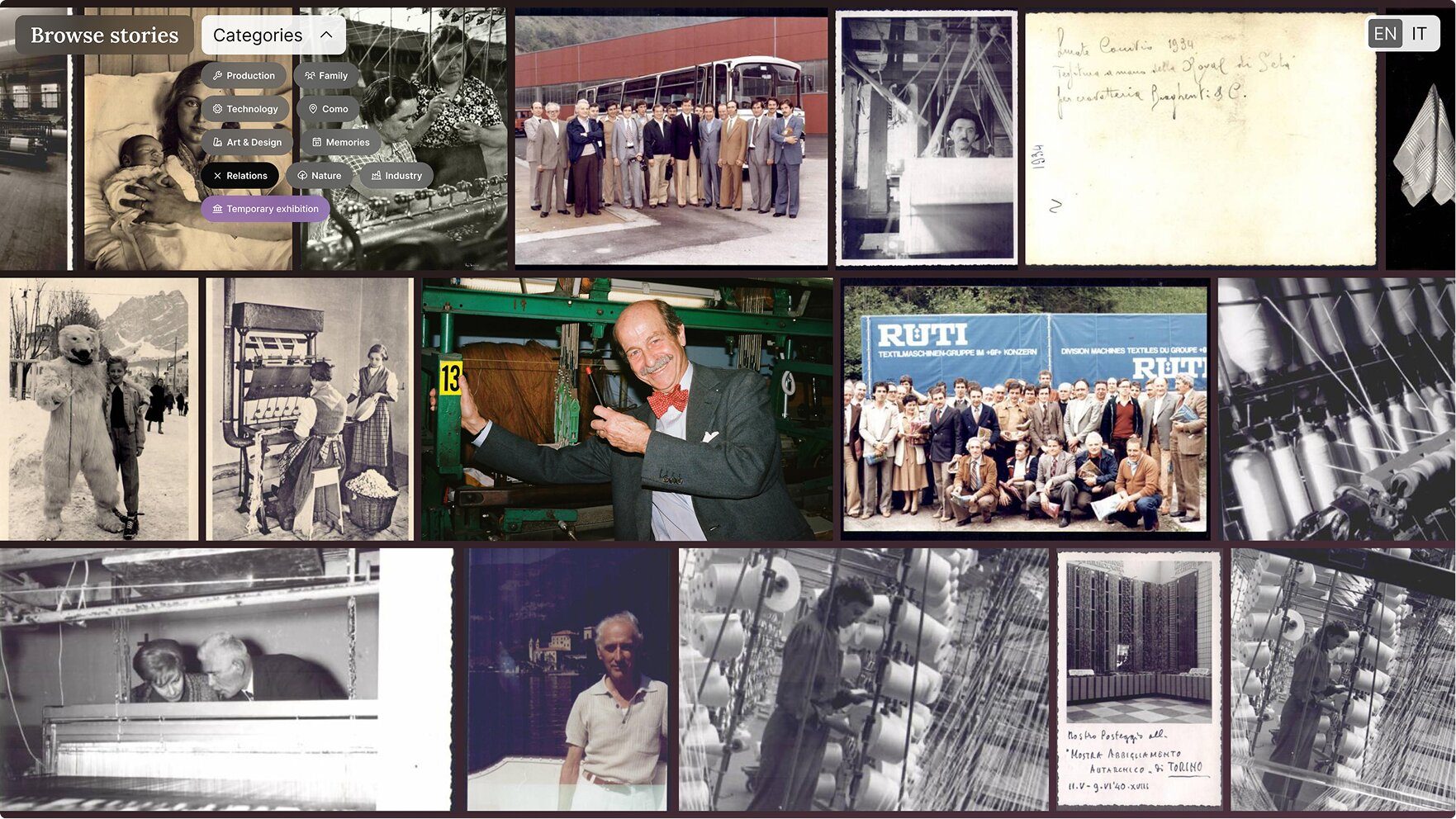
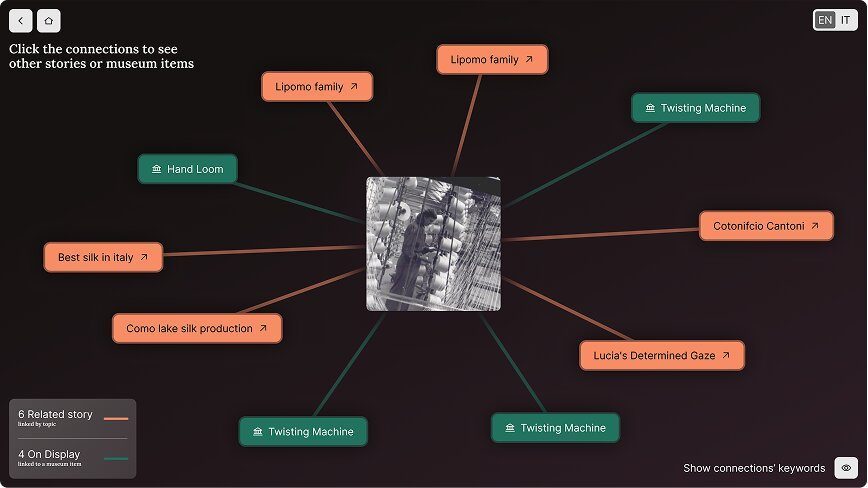
The main touchpoint of Threads of Silk allows users to explore stories, filter stories by various categories, explore the temporary exhibitions and related items, and other stories, and find the link to submit their own stories.
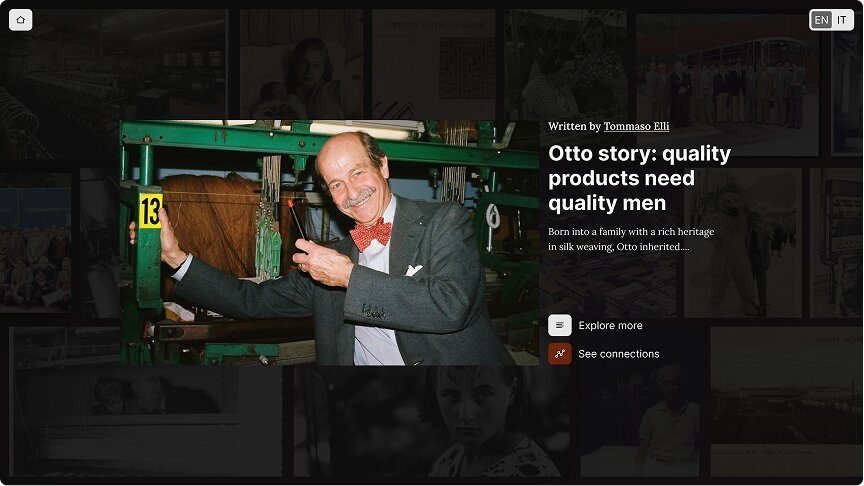
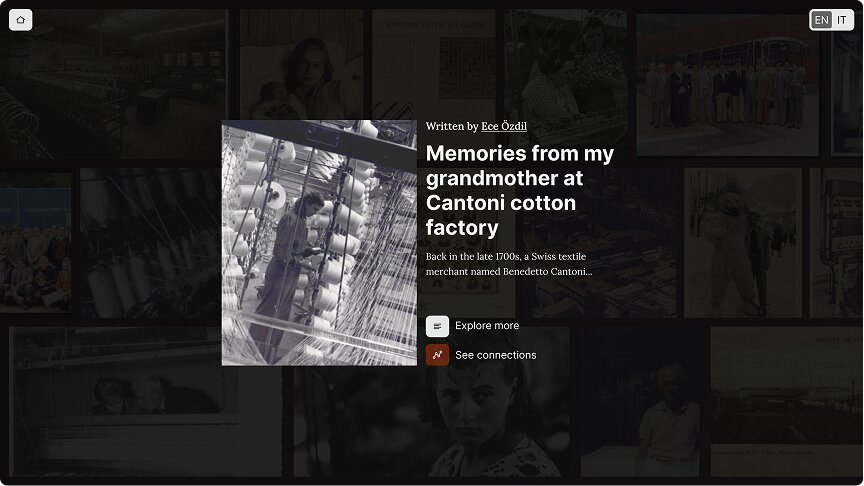
While exploring the stories, the users can discover the authors' other stories, as well as random stories that are related.
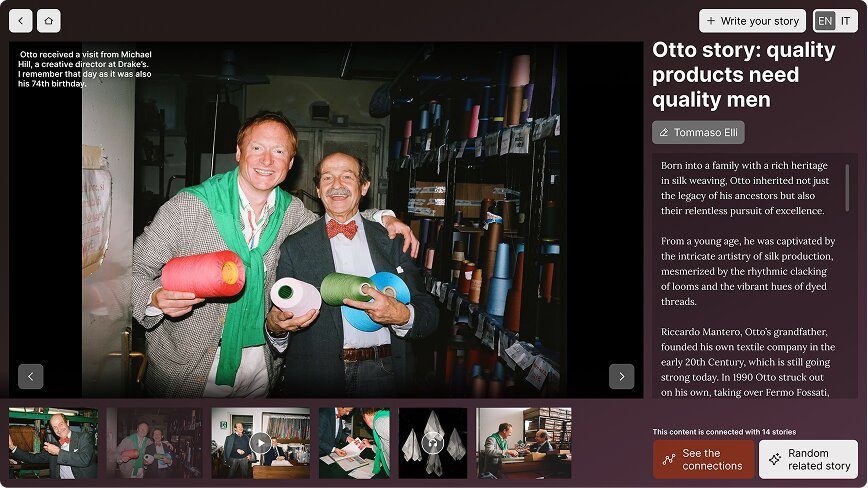
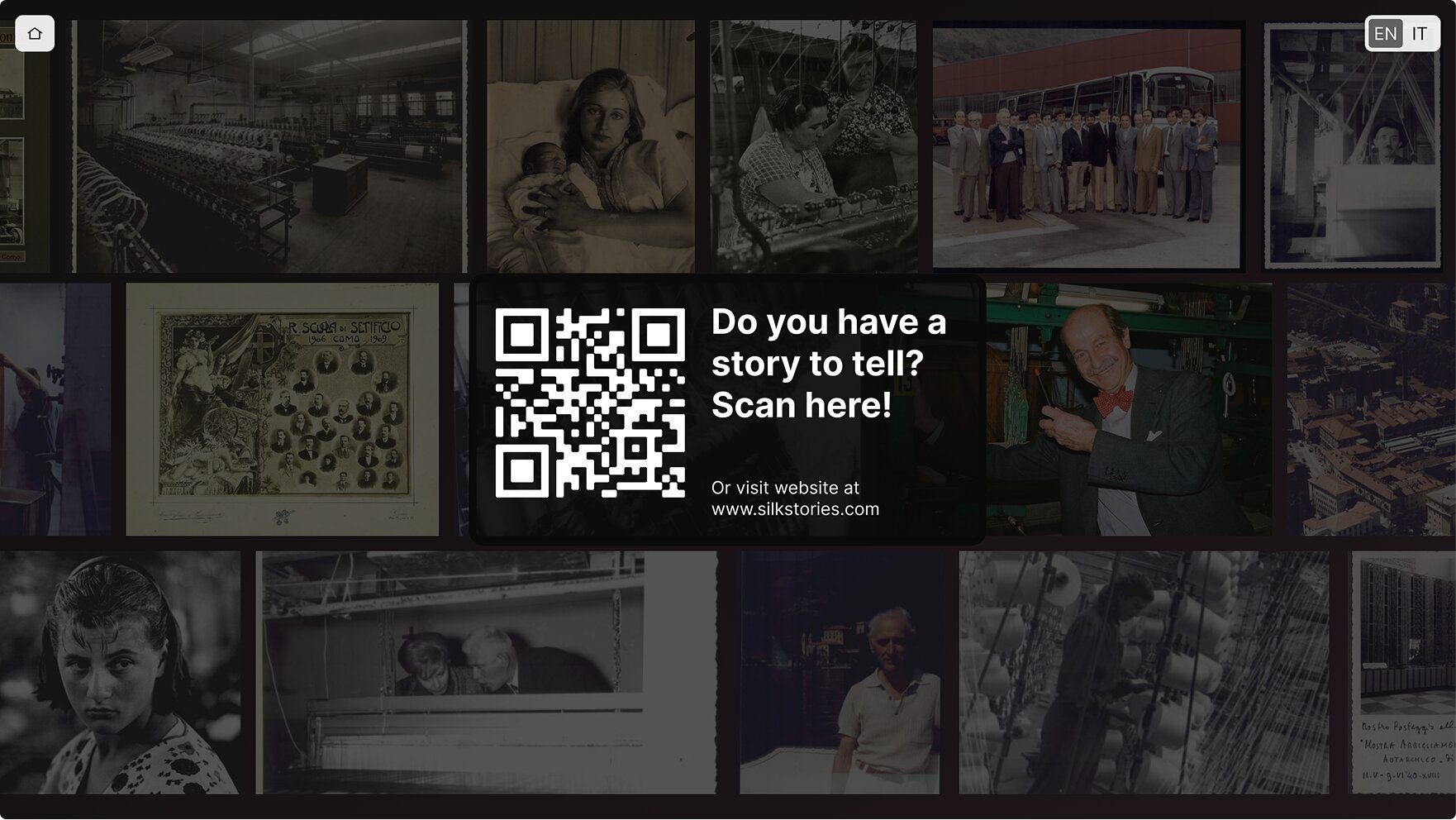
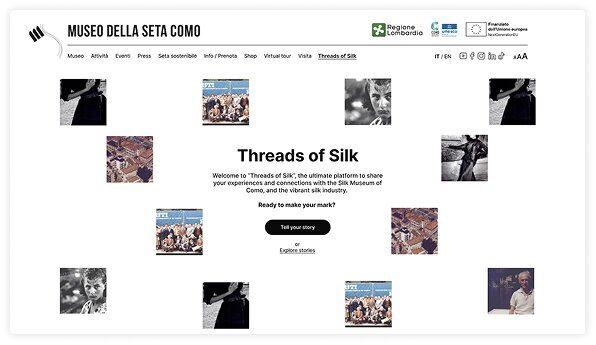
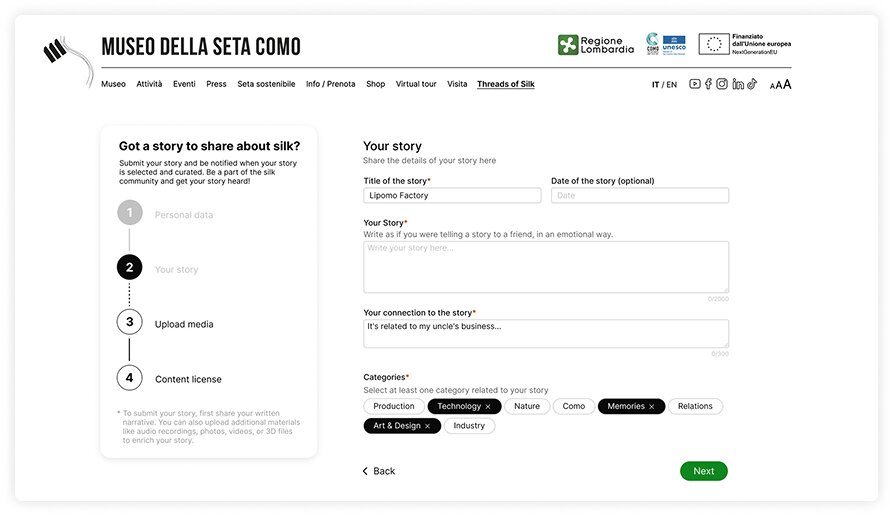
Any visitor can contribute to Threads of Silk by uploading their silk-related stories, where they can upload various media related to them, such as images, audios, videos, and 3D scans. To do so, users can either use the main screen or the website of the museum.
Concept Video
A video was created to tell the story of the project.